I see you..
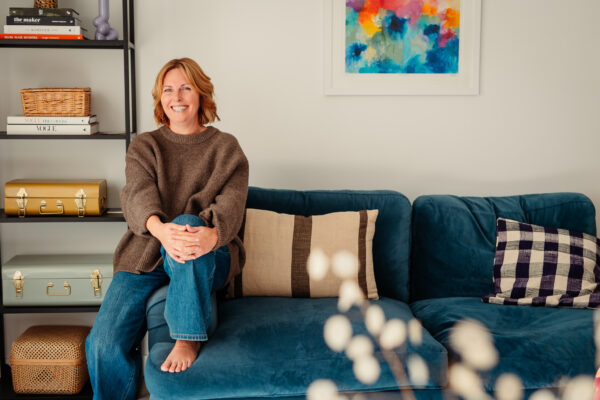
I know you’re not feeling like yourself right now and you can’t see the wood for the trees. With just a little support I promise you will be back to your old self a new, improved version of yourself in no time. Think of the caterpillar transforming into a butterfly!
For years you’ve put your family first and have juggled a hectic personal life with a busy, professional career. But then perimenopause arrived and you started to find all your commitments a little too much to handle.
I know you might feel you need one massive holiday, or to escape for a while so you can reset. And this is definitely time to start prioritising your needs. But there are some simple strategies that you can focus on to help you begin to feel better, not just now but for the future.
Forget superfoods, faddy diets, expensive supplements. The changes you need to implement are not complicated, but you do need to go slowly so that you know what works for you and your body.
Does this sound like you?
- Your weight has been creeping up over the last few years but despite numerous diets, it is still going up. To the point that you now feel unhappy when you look in the mirror and no longer see yourself.
- You used to exude confidence and you want to get that spark back. The problem is you feel like you’ve tried everything and don’t know where else to turn.
- Lack of sleep, brain fog and hot flushes are affecting your performance at work.
- You hear yourself snapping at your partner, your children.. the annoying person in the shopping queue that normally wouldn’t bother you in the slightest.
You don’t need another diet. You do need to make some adjustments to your lifestyle. To create a life without guilt, where you feel amazing. Are you ready?
My top tips to alleviate your symptoms

Reduce your Carbohydrate Intake
Focusing on your blood sugar balance should be your starting point when it comes to changing your diet and will have the most impact on both your weight and symptoms.
Most of us need to decrease the amount of carbohydrate we consume and increase our consumption of protein. We don’t need to demonise carbohydrate foods but getting a better balance will help you gain more energy, clearer thinking, less mood swings and better sleep. To get this think of your plate as half vegetables, a quarter protein and a quarter carbs and this should start to move you in the right direction.
There is a direct correlation between lowering oestrogen and insulin resistance which contributes towards weight gain. This is exacerbated by a high carbohydrate, high sugar diet. Focus on reducing bread, pasta, pastries and cakes. Avoid fruit juices and smoothies, even your homemade version that you think is good for you.
An extremely important aspect of this is managing your alcohol consumption. Even if you are completely on top of your diet, you can blow this out of the water by drinking half a bottle of wine every night.
Try to think about fibre, rather than carbohydrate. Some examples include oats, peas, beans, lentils, brown rice, green beans, cauliflower, and potatoes in their skins. Fibre is important to prevent constipation and in turn help manage your symptoms through the excretion of old hormones.
It’s really worth noting here, that I’m not advising a lower carbohydrate or a Keto diet, which can make some of your symptoms worse. You should be aiming for moderate consumption, and this is easily achievable by making the tweaks I’ve suggested in your daily diet.
Sleep & Stress Management
So underrated but so important! I know getting a decent night’s sleep might be difficult due to other symptoms you may be experiencing but a few tweaks to your routine may help. Not eating too late, not drinking caffeine past 2 pm and better control of your blood sugar should help with this. Create a relaxing bedtime routine, keep your bedroom for sleeping (and sex), take a cool shower and make sure you’re not checking your emails for at least an hour before bed.
If you find you wake up at a regular time during the night, you may need a small snack an hour before bed. Nut butter and an oat cake would be a good choice to help see you through until the morning.
When we are tired, we make poor food choices. The hormones that regulate hunger also become out of balance when we don’t get enough sleep. This drives us to consume more high fat, high sugar foods, meaning that you are fighting a losing battle.
A recent study also showed how decreased sleep, combined with decreasing oestrogen leads to increased fat storage.
Prioritising sleep should lead you to gain better control of cravings and your appetite.
Keep a check on your stress levels during the day. Notice how you are breathing – are you mouth breathing? Holding your breath? Breathing into your chest? This perpetuates stress in your body. Learning some simple breathing techniques will be super helpful. You can also use these as part of your bedtime routine to help improve your sleep and help you drift back off if you wake in the night.
What do you find calming? Walks in nature? Yoga? Swimming? Spending time with your friends? Do more of this!


Portion Control
It’s seems unfair, but that little snack here or extra bit of dinner there quickly adds up.
Base your meals around nutrient dense wholefoods such as whole grains, fruit and vegetables, beans, nuts and pulses. Add to this a little seafood, oily fish or lean meat, eggs and dairy and this provides a diet rich in protein and healthy fats which supports hormone production. This combination will help you feel satisfied until your next meal and decrease the snacks you eat between.
Carbs are definitely not the enemy they have been made out to be, but a balanced plate is essential to manage your symptoms and weight. For most this means decreasing the amount of carbohydrate on your plate and increasing the amount of protein.
When you look at your plate you want roughly half to be vegetables, a quarter protein, and a quarter carbohydrate. The amount of carbohydrate and protein should roughly be the size of your clenched fist.
Aim for three, satisfying meals per day, each made roughly to the guidelines above.
You should ditch your sugary cereal and switch to a protein-based breakfast, such as a two-egg omelette filled with vegetables or Greek yoghurt, low sugar granola and berries.
Once you feel hungry, you should have lunch (around 4-5 hours later) leftovers are a great option here. Dinner, around another 4-5 hours later. If you need to eat late, a snack around 4pm will be needed to keep you going.
The thing is to really treat this as a guideline and begin listening to your body. Eat when you feel hungry and this will prevent overeating because you are absolutely starving by the time it comes to eating your meal. You can also eat your meals in whatever order you like! Porridge is great for helping you sleep if you need to work or eat later than you would like.
Make sure you try new recipes that excite you, it’s important that you look forward to your meals, so you don’t fall back on unhealthier recipes. Choosing just one new recipe a week, will also ensure you eat a greater range of plant-based food you might not have done previously, which will improve your gut health, which is linked to improved symptoms and weight management.
You are not alone
When midlife hormonal changes hit it can feel incredibly isolating. Most women will experience perimenopause and menopause symptoms in some form, so please don’t feel you are alone. Talk to your friends, talk to your partner, talk to your colleagues. Knowing you can modify your diet and lifestyle helps you regain some control and puts you on the road to feeling like yourself again.
Ditch the faddy, restrictive diets. Stop punishing yourself. Use this as an opportunity to change your mindset around food and be a little more nurturing towards yourself. With time and consistency, you will see the changes you need.
Past clients say it best
Change happens when you feel good and it’s this focus that sets me apart from other menopause coaches

“Julie has helped me to make changes that have improved my physical and mental well-being so dramatically. I used to shy away from photographs disgusted at what I would see, now I stand and smile for them..”
Lisa 1:1 Menopause Coaching Client

“Menopause can be one of the most trying times in a woman’s life. Dealing with these changes in a loving and nourishing way is the way forward”
Julie Court, Essex Menopause Coach
Let’s work together
I would love to work with you too. You can find out a little more about me here or simply fill out my contact form to make an enquiry.
My latest articles
Check out my blog for all things perimenopause and menopause.



I’m here to help..
Have a look around my site and see how I can support you. Any questions please do pop me a line and we can have a no obligation chat.